The world of digital entertainment collided violently with emerging technology this week, creating an unprecedented spectacle that has dominated social media feeds—and perhaps more importantly, sent shockwaves through the boardrooms of tech startups and major Venture Capital (VC) firms.
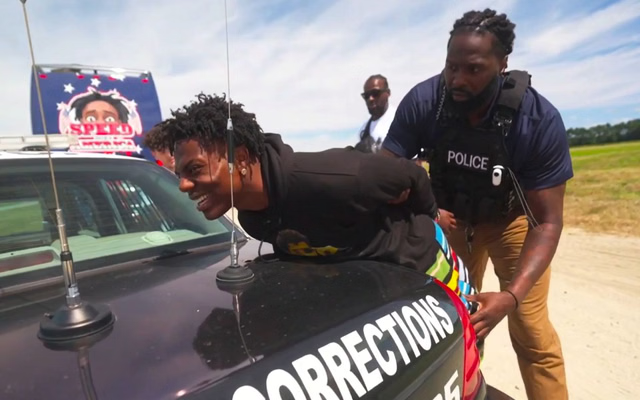
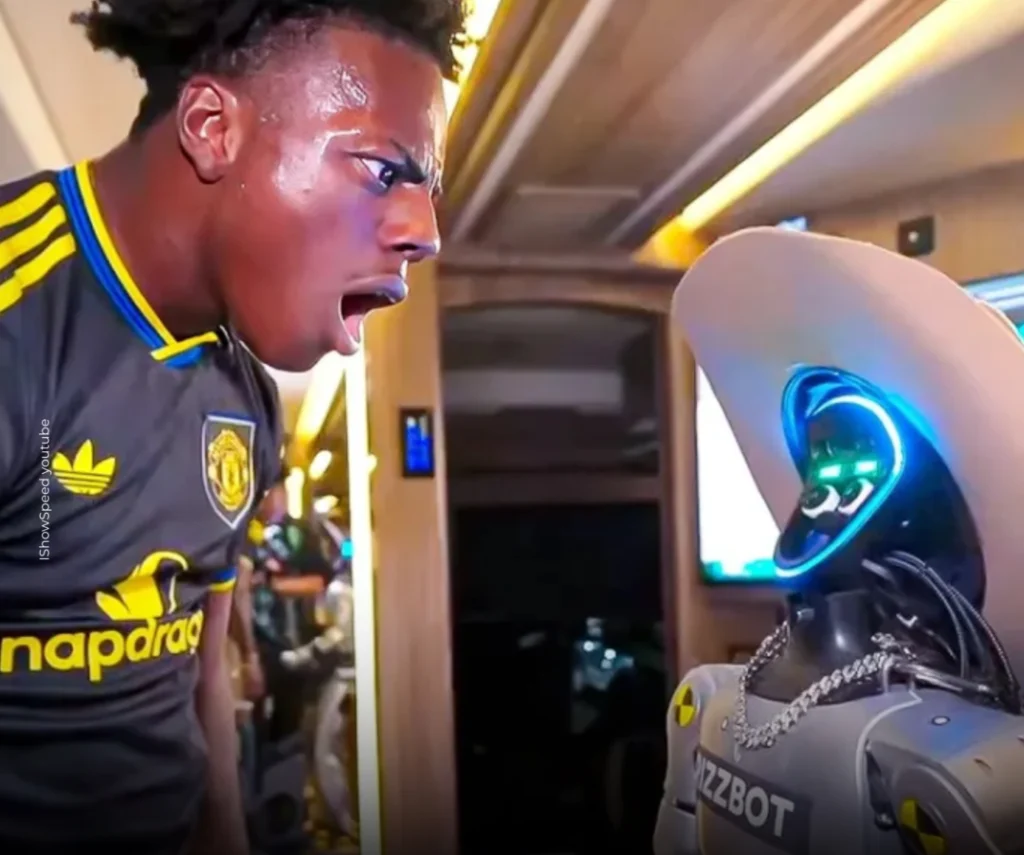
Millions of viewers, many arriving here via viral clips on platforms like TikTok, witnessed the highly-publicized, alleged on-stream arrest of prominent content creator iShowSpeed by US law enforcement. The claimed catalyst for this dramatic event? Allegedly assaulting a sophisticated conversational robot known as «RizzBot» during a live broadcast.
While the sensational nature of the incident captures the public imagination, the true story unfolding is one of profound financial and corporate liability risk. This single event, whether ultimately proven or not, serves as a critical stress test for the burgeoning Creator Economy, highlighting severe deficiencies in regulatory compliance, digital asset protection, and business continuity planning for high-earning digital personalities and the Artificial Intelligence (AI) companies whose technology they utilize.
This extensive analysis will move past the headlines to explore the serious repercussions for intellectual property (IP) law, the insurance industry, cybersecurity, and the valuations of Machine Learning (ML) development firms in the United States.
The Creator Economy’s Legal Exposure: A New Frontier of Liability
iShowSpeed is not just an individual; he is a multi-million-dollar digital enterprise backed by significant sponsorship contracts and a complex structure of digital asset management. When an individual of this stature faces a legal crisis, the financial exposure is exponential.
The incident forces a stark re-evaluation of General Liability Insurance and Errors & Omissions (E&O) policies specifically tailored for content creators. Standard liability policies are generally designed for bodily harm to a human or physical damage to traditional property. But what happens when the alleged victim is a piece of highly proprietary, funded technology? This is a question currently being debated by top insurance brokers and risk management consultants.
Furthermore, the terms of service (TOS) for streaming platforms and social media companies invariably contain clauses regarding illegal or violent acts. A confirmed arrest and subsequent conviction would trigger an immediate review of every existing brand partnership and advertising agreement, leading to catastrophic financial penalties and the likely cessation of lucrative affiliate marketing streams. The immediate need for a robust litigation strategy and crisis PR management becomes paramount, often involving high-cost legal retainers with specialized firms.
RizzBot: Assessing Damage to High-Value Proprietary Assets
The RizzBot, the alleged victim in this incident, is not a simple toy. It represents a significant capital investment in robotics and conversational AI. It is highly likely the RizzBot platform is the flagship product of a US-based tech startup that has secured multiple rounds of Seed and Series A funding.
For the RizzBot’s parent company, the alleged destruction or damage of the unit during a live broadcast triggers several high-value legal and financial issues:
- Intellectual Property (IP) Damage: The RizzBot unit contains proprietary hardware designs, firmware, and the Machine Learning model itself. The physical loss requires the company’s in-house legal counsel to immediately file claims to protect their patents and trade secrets.
- Valuation Risk for Venture Capital: This is where the financial damage is most critical. VC investors base their valuations on the perceived stability and market viability of the technology. An event where a prototype is publicly damaged—and associated with a legal scandal—raises red flags about product robustness and corporate governance. This could severely impact the company’s ability to close its next Series B funding round, potentially costing the firm tens of millions in valuation.
- Cybersecurity and Data Breach: If the RizzBot was connected to the company’s cloud computing infrastructure, the damage could potentially create a vulnerability. Cybersecurity experts are likely already conducting an exhaustive forensic audit to ensure the integrity of the underlying AI algorithms and to certify that no data privacy protocols were breached during the incident.
The Compliance and Governance Dilemma
The legal jurisdiction surrounding the use of AI, robotics, and live broadcasting is rapidly evolving. This incident is now a case study in regulatory compliance for both the streamer and the tech company.
For the Streamer’s Management:
The management team responsible for iShowSpeed’s financial and brand operations must immediately address serious corporate governance lapses. They are now facing scrutiny over:
- Negligent Supervision: Failing to implement proper controls when integrating experimental technology into a live broadcast.
- Fiduciary Duty: The management has a fiduciary duty to protect the financial well-being and assets of the talent. The incident suggests a failure in risk assessment that could lead to internal litigation from shareholders or partners.
- Tax and Financial Planning: The resulting fines, legal fees, and loss of sponsorship income will require immediate restructuring of the streamer’s wealth management portfolio and tax liability planning.
For the Robotics Firm:
The RizzBot company must demonstrate compliance with increasingly strict regulations regarding ethical AI. If the robot was designed to elicit emotional responses, its implementation must be scrutinized to ensure it complies with emerging consumer protection and data ethics guidelines. A proactive approach involves hiring specialized compliance consulting to ensure their product is legally defensible in the public eye and the courts.
The Long-Term Impact on Tech Investment
The alleged arrest is more than just entertainment; it creates a tangible precedent for risk modeling in the Venture Capital community.
High-value investors who previously saw the Creator Economy as a low-risk, high-return domain now must factor in «digital talent operational risk» into their models. This drives up the cost of due diligence and forces companies to enforce stricter terms in their investment contracts, requiring higher standards of corporate accountability from the digital stars they sponsor or employ.
Furthermore, this event accelerates the need for specialized cyber risk insurance that covers non-human assets. The damage to the RizzBot, as a proof-of-concept for the company’s core technology, could be calculated as significant business interruption loss, which requires a highly complex financial auditing process to quantify accurately for insurance claims.
Conclusion: The New Cost of Digital Fame
The alleged altercation between iShowSpeed and the RizzBot, culminating in an on-stream police intervention, is far from a simple piece of viral content. It is a catastrophic financial and legal event that underscores the chaotic lack of maturity in the rapidly expanding digital landscape.
For every content creator aiming for multi-million dollar revenue, this incident should serve as a mandatory lesson: Professional success demands professional asset protection. You cannot manage a high-value personal brand without a rigorous framework for financial planning, robust liability coverage, and constant legal consultation to navigate the complex intersection of technology, compliance, and public perception.
The true cost of the RizzBot incident will be paid not just in legal fees and lost sponsorships, but in the long-term tightening of VC funding for high-risk digital ventures. For the insurance and legal sectors, however, this creates a booming new market for sophisticated risk mitigation services, proving once again that in the digital world, the most expensive mistake is the failure to plan for the unpredictable. Investors, creators, and tech founders globally are now reviewing their contracts and budgets, realizing that the volatility of viral fame carries a premium price tag in the world of US finance.
👇 Video available by clicking on the image 👇